Your cart is currently empty!
You may check out all the available trips and book one that suits you.
Continue Browsing Trips
You may check out all the available trips and book one that suits you.
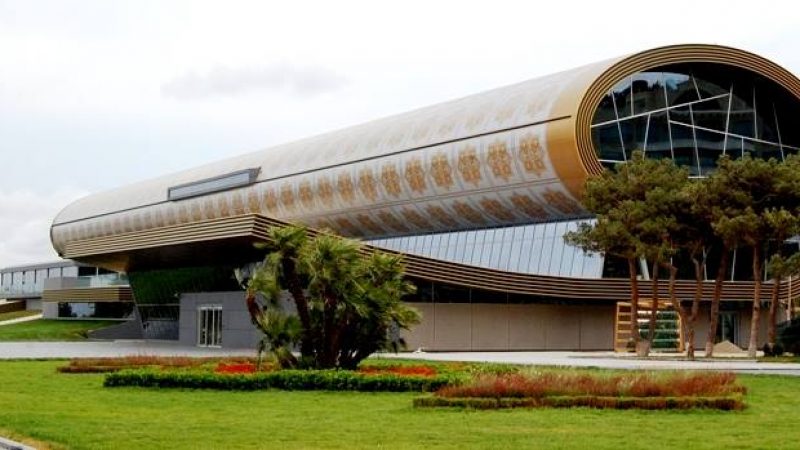
Continue Browsing TripsThe Azerbaijan National Carpet Museum is one of Baku’s most distinctive cultural attractions, dedicated to the centuries-old art of Azerbaijani carpet weaving. Located along Baku Boulevard, overlooking the Caspian Sea, the museum is instantly recognizable by its extraordinary building, designed to resemble a giant rolled-up carpet.
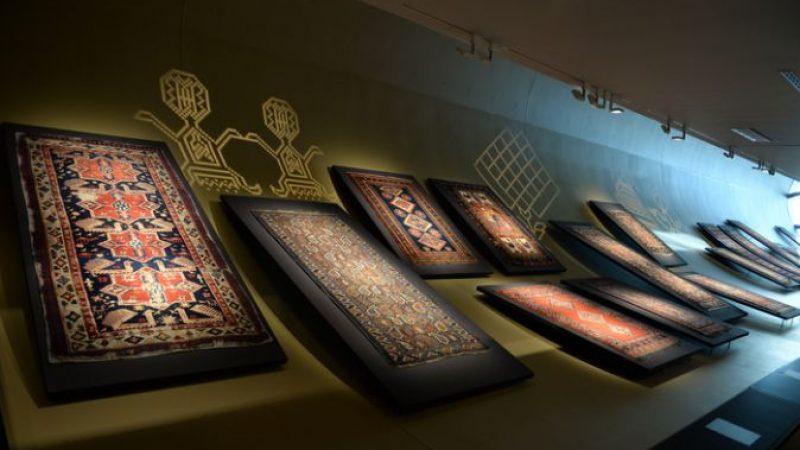
Inside, visitors can discover an impressive collection of traditional Azerbaijani carpets, textiles, embroidery, jewelry, ceramics, and decorative arts. The museum offers a fascinating introduction to one of Azerbaijan’s most treasured cultural traditions.
The Art of Azerbaijani Carpet Weaving
Carpet weaving is one of Azerbaijan’s oldest and most celebrated forms of traditional craftsmanship. For centuries, carpets have played an important role in everyday life, serving not only as household furnishings but also as expressions of artistic creativity, cultural identity, and regional traditions.
Different regions of Azerbaijan developed their own distinctive carpet-weaving styles, characterized by unique patterns, colors, ornaments, and weaving techniques.
Azerbaijani carpets are traditionally divided into several major regional groups, including Baku, Guba-Shirvan, Ganja-Gazakh, and Karabakh. Each group reflects the artistic traditions and cultural influences of its region.
The intricate geometric patterns, floral motifs, and symbolic designs found in Azerbaijani carpets have been passed down through generations of skilled artisans.
In 2010, the traditional art of Azerbaijani carpet weaving was inscribed on UNESCO’s Representative List of the Intangible Cultural Heritage of Humanity, recognizing its cultural importance and the need to preserve this remarkable tradition.
History of the Azerbaijan Carpet Museum
The Azerbaijan Carpet Museum was established in 1967, becoming one of the world’s first museums dedicated specifically to carpet weaving.
Its creation was inspired by Latif Karimov, a renowned Azerbaijani carpet artist, scholar, and researcher who made an outstanding contribution to the study and preservation of traditional carpet art.
The museum first opened its exhibition to the public in 1972 in the historic Juma Mosque building in Baku’s Old City.
Over the following decades, its collection continued to grow, bringing together valuable examples of Azerbaijani carpets and traditional decorative arts from different regions of the country.
In 1992, the museum moved to the Museum Center on Neftchilar Avenue, where its exhibits were displayed until the construction of a new purpose-built museum.
The current building opened in 2014, providing modern exhibition spaces and facilities for preserving and presenting Azerbaijan’s rich carpet-weaving heritage.
Unique Architecture: A Giant Rolled Carpet
One of the museum’s most remarkable features is its unusual architecture.
Designed by Austrian architect Franz Janz, the building takes the shape of an enormous rolled-up carpet, symbolizing the importance of carpet weaving in Azerbaijani culture.
Its curved exterior makes it one of Baku’s most recognizable modern landmarks and a popular attraction for architecture enthusiasts and photographers.
Situated near the Caspian waterfront, the museum also offers visitors an opportunity to explore the surrounding Baku Boulevard, one of the city’s most popular recreational areas.
Museum Collections and Exhibitions
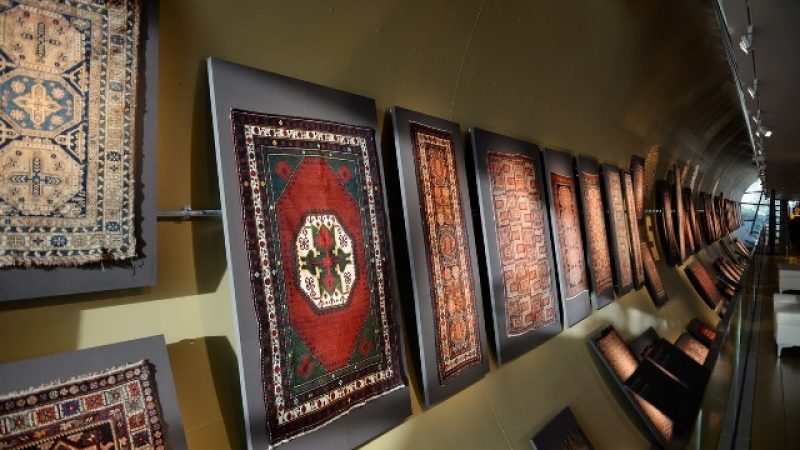
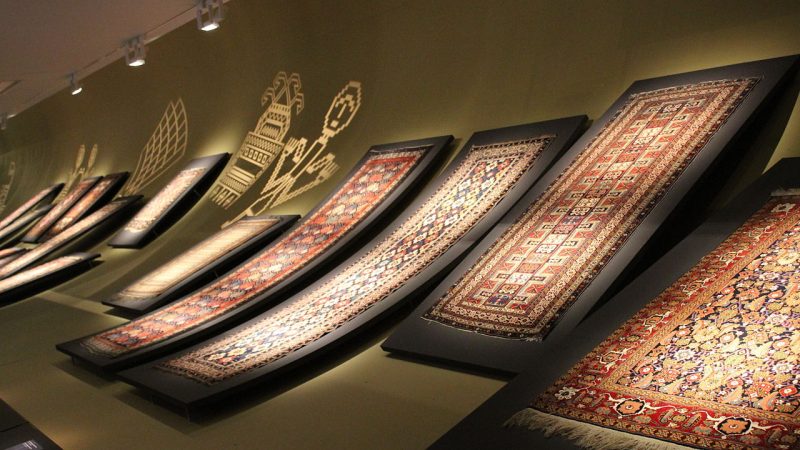
The Azerbaijan National Carpet Museum houses an extensive collection of carpets and traditional decorative arts representing different periods of Azerbaijani history.
Visitors can discover:
Traditional Azerbaijani Carpets
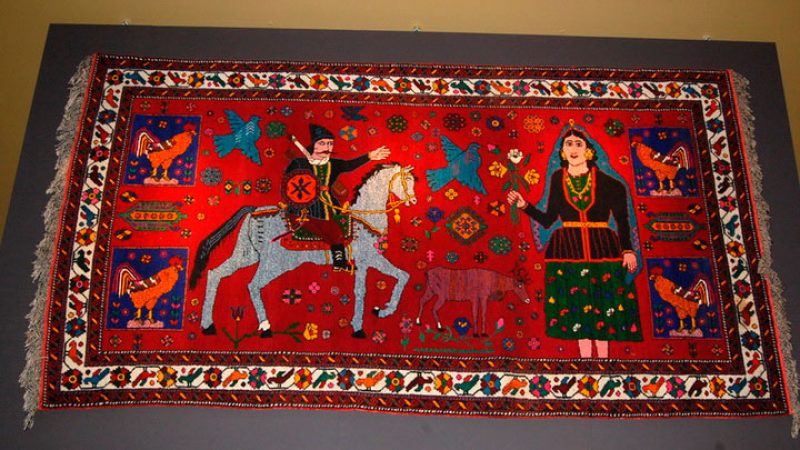
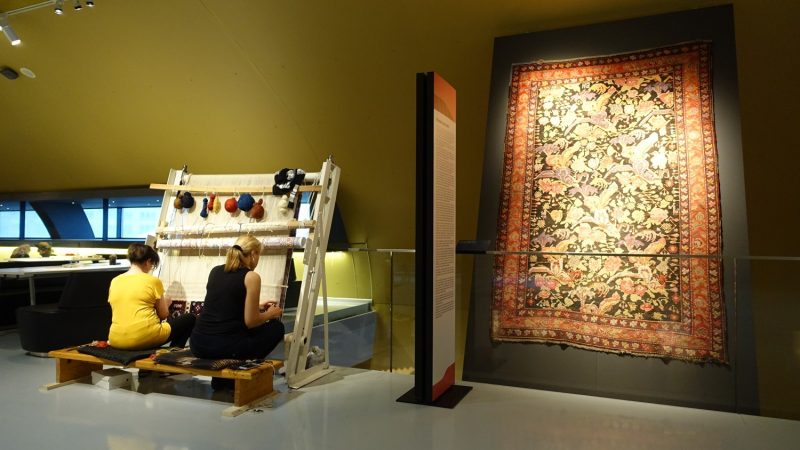
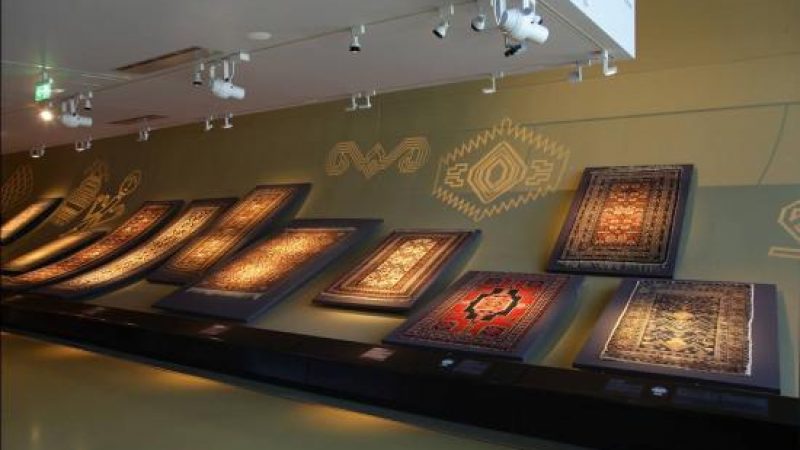
Explore handwoven carpets from different regions of Azerbaijan, each distinguished by its characteristic colors, patterns, and weaving techniques.
Carpet-Weaving Techniques
Learn about traditional weaving methods, natural dyes, and the craftsmanship involved in creating intricate carpet designs.
Traditional Textiles and Embroidery
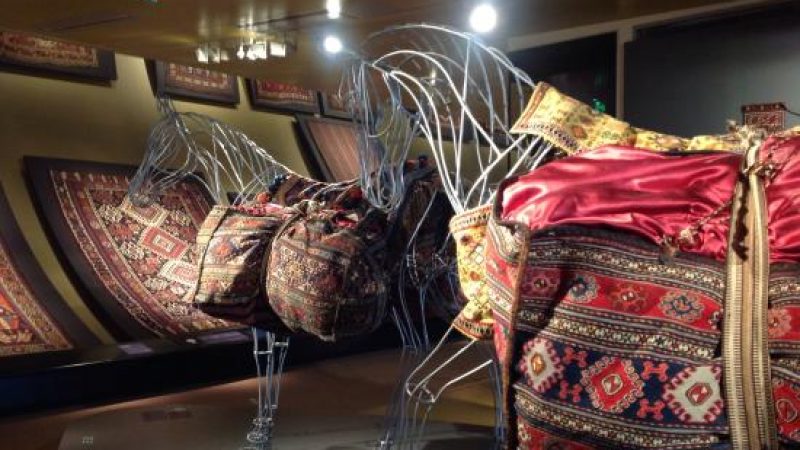
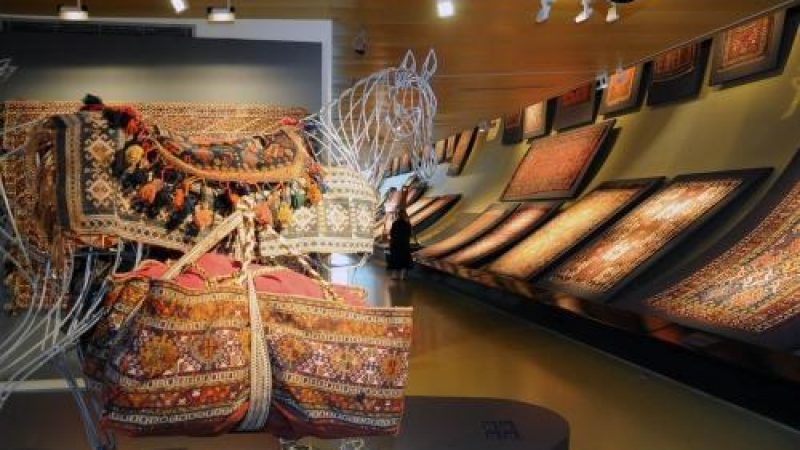
Discover beautifully decorated fabrics, traditional clothing, and embroidered items reflecting Azerbaijan’s artistic heritage.
Jewelry and Decorative Arts
The museum also displays examples of traditional jewelry, metalwork, ceramics, and other decorative objects that illustrate the country’s rich craftsmanship.
Historical Carpet Designs
Exhibitions introduce visitors to the evolution of Azerbaijani carpet patterns and the cultural meanings behind their distinctive ornaments.
Preserving Azerbaijan’s Cultural Heritage
Beyond its exhibitions, the Azerbaijan National Carpet Museum plays an important role in preserving and promoting traditional carpet weaving.
The museum organizes educational programs, cultural events, exhibitions, and workshops dedicated to Azerbaijani craftsmanship.
Through research, restoration, and international cooperation, it helps protect the country’s carpet-weaving traditions and introduce them to visitors from around the world.
Visiting the Azerbaijan National Carpet Museum
The Azerbaijan National Carpet Museum is an excellent destination for visitors interested in art, history, traditional craftsmanship, and Azerbaijani culture.
Its combination of historic carpets, fascinating exhibitions, and striking modern architecture makes it one of Baku’s most memorable cultural attractions.
Located along the Caspian waterfront, the museum can easily be combined with a walk along Baku Boulevard and visits to nearby attractions, including Little Venice, Highland Park, and the historic Old City.
Address: 28 Mikayil Huseynov Avenue, Baku
Opening Hours: 10:00–18:00
Closed: Mondays
Entrance Fee: 10 AZN
Recommended Visit Duration: 1–1.5 hours
Rate this page
Rating 4.6 / 5. Votes: 205
No ratings yet