Your cart is currently empty!
You may check out all the available trips and book one that suits you.
Continue Browsing Trips
You may check out all the available trips and book one that suits you.
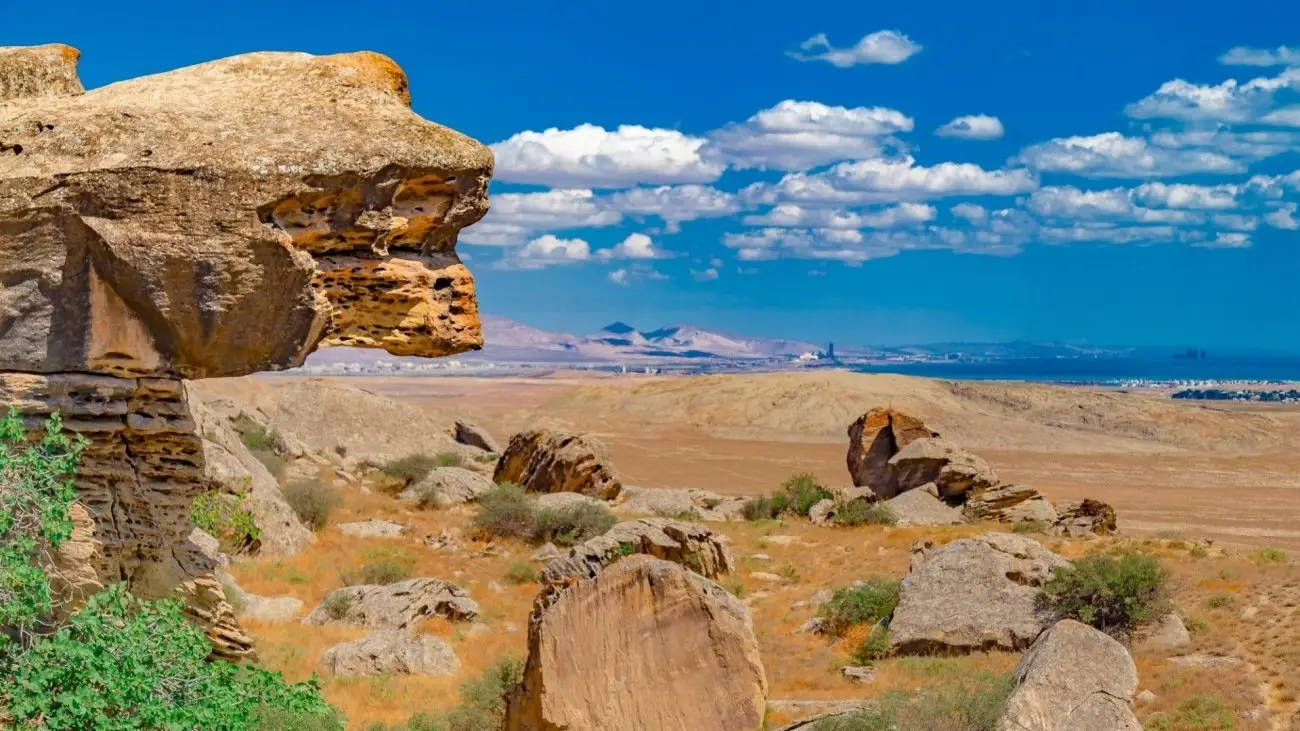
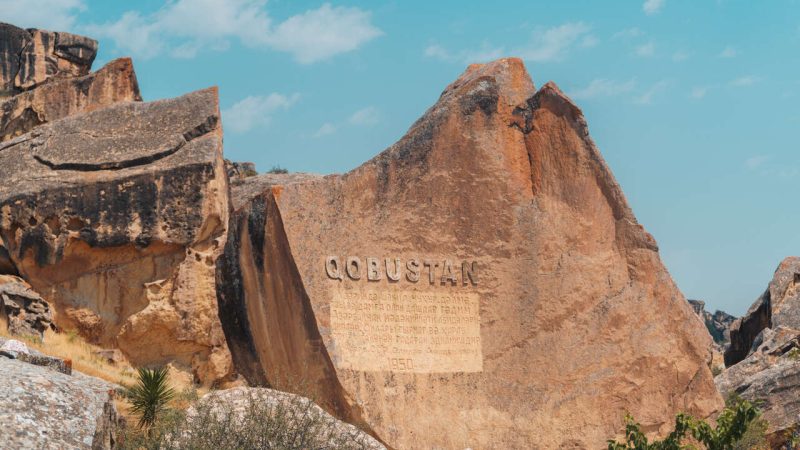
Continue Browsing TripsGobustan National Park is one of Azerbaijan’s most remarkable historical and archaeological attractions. Located approximately 60 kilometers southwest of Baku, this extraordinary open-air museum is famous for its prehistoric rock carvings, ancient settlements, and fascinating evidence of human life dating back thousands of years.
Established as a protected reserve in 1966, Gobustan preserves an exceptional collection of petroglyphs, archaeological remains, burial sites, and natural monuments.
In 2007, the Gobustan Rock Art Cultural Landscape was inscribed on the UNESCO World Heritage List, recognizing its outstanding historical and cultural significance.
Ancient Rock Carvings of Gobustan
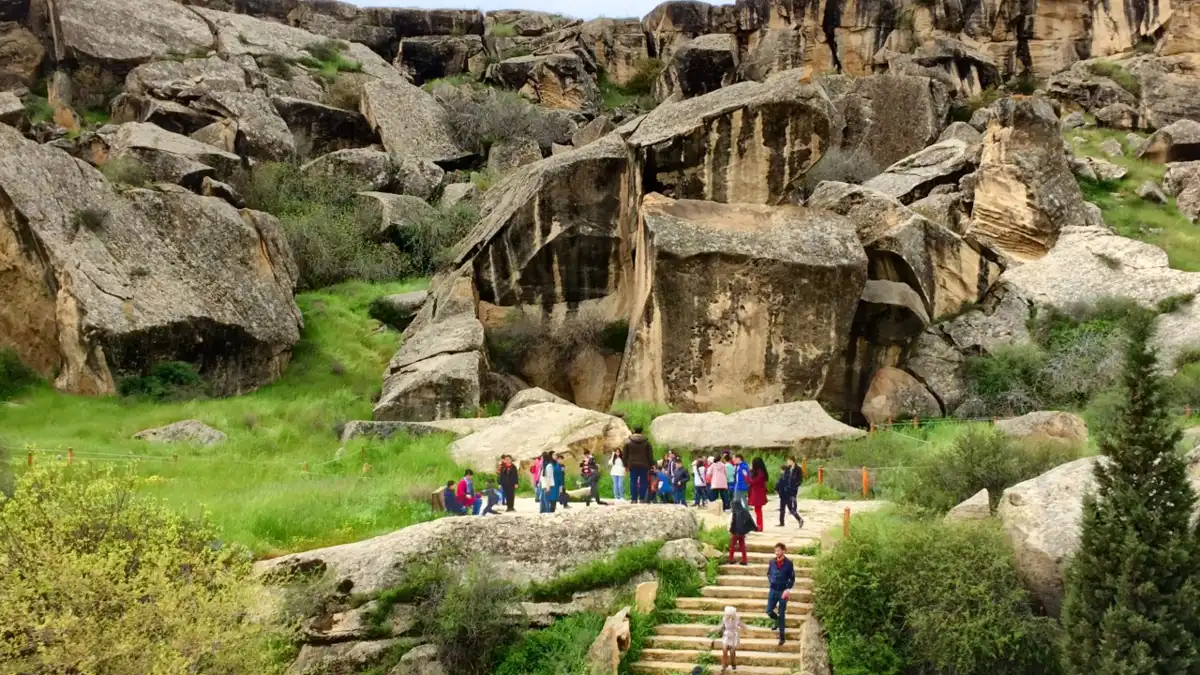
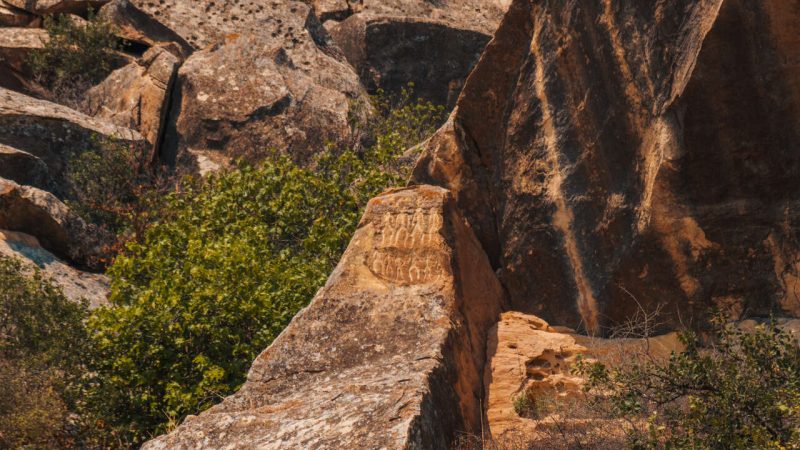
The main attraction of Gobustan National Park is its extraordinary collection of prehistoric rock carvings, known as petroglyphs.
More than 6,000 rock engravings have been discovered across the rocky landscapes of Gobustan, particularly around the Boyukdash, Kichikdash, and Jingirdagh mountains.
These ancient artworks offer a fascinating glimpse into the lives of people who inhabited the region thousands of years ago.
The carvings depict hunting scenes, human figures, wild animals, boats, ritual dances, and everyday activities.
Some of the earliest images date back to prehistoric times, while others were created during the Bronze Age, Iron Age, and later historical periods.
Together, they provide valuable evidence of how human societies, beliefs, and artistic traditions evolved over thousands of years.
Archaeological Discoveries and Research
The rock carvings of Gobustan attracted scientific attention during the 20th century, when researchers began systematically documenting the region’s archaeological heritage.
Many engravings were uncovered during quarrying activities and subsequent archaeological investigations.
Over the decades, researchers have discovered thousands of petroglyphs, prehistoric shelters, burial mounds, ancient tools, and other archaeological artifacts.
These discoveries demonstrate that Gobustan was inhabited by different communities over a remarkably long period.
Archaeological research continues to reveal new information about the lifestyles, traditions, and beliefs of the region’s ancient inhabitants.
Scenes of Prehistoric Life
The petroglyphs of Gobustan provide a remarkable visual record of prehistoric human activity.
Many carvings depict hunters carrying bows and arrows, groups of people performing ritual dances, and animals that once inhabited the surrounding landscapes.
Among the animals represented are wild goats, deer, gazelles, horses, wild boars, and other species.
Some engravings show human figures in groups, suggesting communal activities, ceremonies, or traditional dances.
Particularly interesting are the images of people dancing together, which some researchers have compared with Yalli, a traditional Azerbaijani group dance.
Although the exact meanings of these ancient images remain uncertain, they offer valuable insights into the cultural and social life of prehistoric communities.
Gaval Dash – The Musical Stone
One of Gobustan’s most unusual attractions is Gaval Dash, often called the Musical Stone.
This large natural stone produces distinctive rhythmic sounds when struck with smaller stones.
Its unusual acoustic properties have led researchers to suggest that it may have been used as a prehistoric percussion instrument during ceremonies, dances, or communal gatherings.
Today, Gaval Dash is one of the most fascinating examples of Gobustan’s ancient cultural heritage.
Ancient Boats and the Thor Heyerdahl Connection
Among Gobustan’s most intriguing petroglyphs are engravings depicting boats carrying groups of people.
These images suggest that water transportation and navigation may have played an important role in the lives of ancient communities living near the Caspian Sea.
The boat carvings attracted the attention of famous Norwegian explorer Thor Heyerdahl, who visited Azerbaijan several times.
Heyerdahl was particularly interested in similarities between the boat images found in Gobustan and ancient rock carvings discovered in Scandinavia.
He proposed theories about possible prehistoric connections between distant civilizations.
Although these theories remain speculative and are not established archaeological conclusions, his interest helped bring international attention to Gobustan’s remarkable rock art.
The Roman Inscription of Gobustan
Another fascinating historical discovery in Gobustan is an ancient Latin inscription carved into a rock near Boyukdash Mountain.
Dating from the reign of Roman Emperor Domitian in the late 1st century AD, the inscription refers to a Roman soldier associated with Legio XII Fulminata, the Twelfth Legion.
This remarkable inscription provides evidence of a Roman military presence or expedition in the region during antiquity.
It is considered one of the easternmost known Roman inscriptions and offers an intriguing glimpse into the historical connections between the Roman Empire and the Caspian region.
Rock Art Through the Centuries
The rock carvings of Gobustan were created over many different historical periods.
Earlier engravings often feature large human and animal figures, while later carvings tend to be smaller and more schematic.
As tools and artistic techniques developed, the style and subjects of the engravings gradually changed.
Some rocks contain overlapping images created centuries or even millennia apart, illustrating the long history of human activity in the area.
Medieval inscriptions, including examples written in Arabic script, provide further evidence that Gobustan continued to attract visitors and inhabitants long after the prehistoric period.
Gobustan Museum
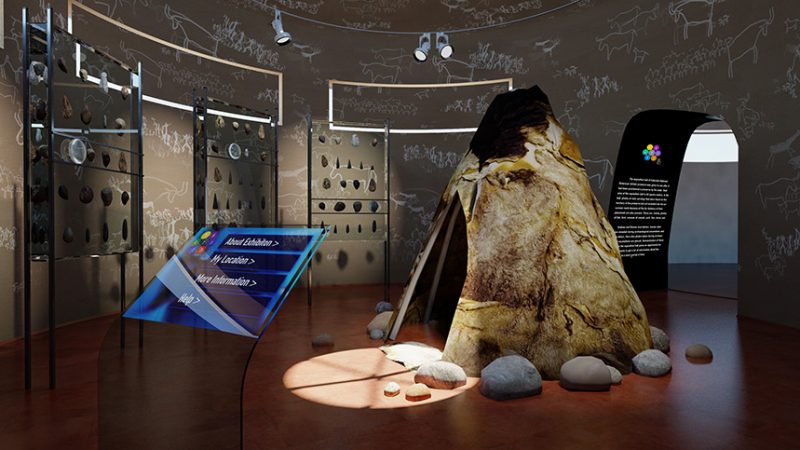
Before exploring the outdoor archaeological sites, visitors can discover the history of the region at the Gobustan Museum.
The museum features archaeological exhibits, interactive displays, multimedia presentations, and educational materials explaining the development of prehistoric communities.
Exhibitions introduce visitors to ancient hunting techniques, traditional lifestyles, rock art, and archaeological discoveries.
A visit to the museum provides useful background information before exploring the original petroglyphs in the surrounding mountains.
Visiting Gobustan National Park
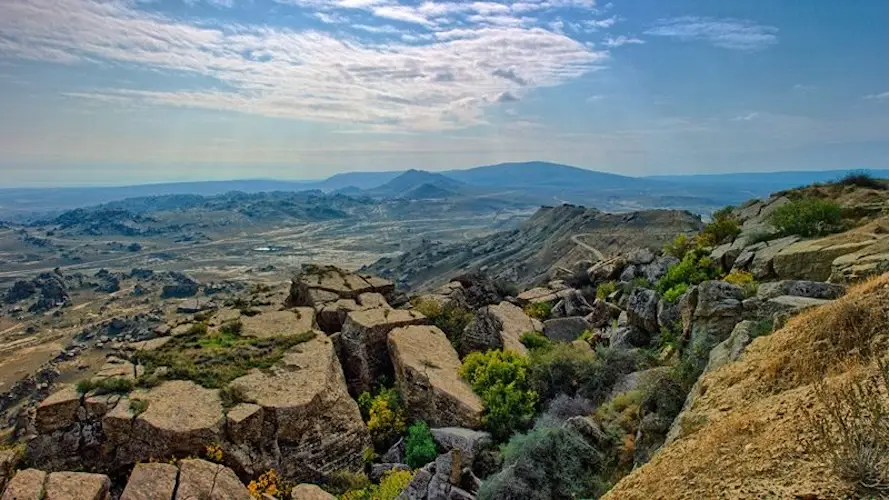
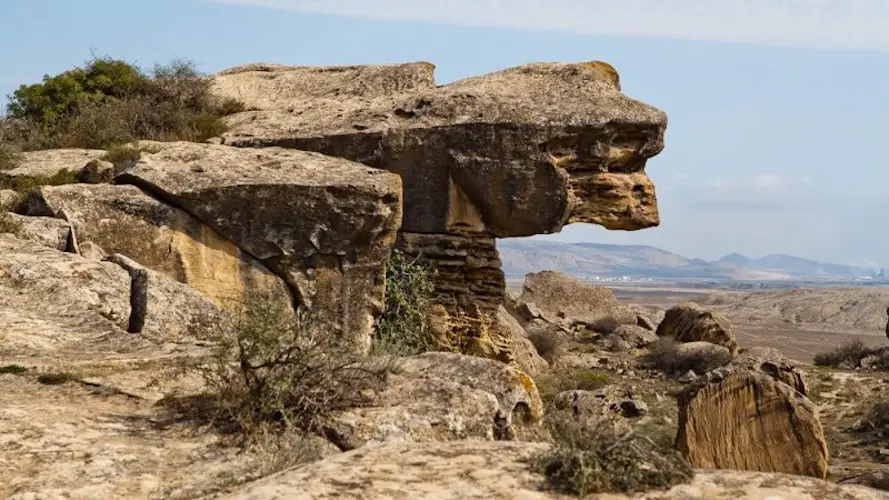
Gobustan National Park is one of the most rewarding historical attractions near Baku, offering a unique combination of archaeology, ancient art, and natural landscapes.
Visitors can explore prehistoric rock carvings, discover archaeological sites, learn about early human civilizations, and enjoy panoramic views of the surrounding rocky terrain.
The park is also frequently combined with a visit to the nearby Mud Volcano Complex, making it a popular destination for a day trip from Baku.
Whether you’re interested in archaeology, history, ancient civilizations, or unusual landscapes, Gobustan offers an unforgettable journey into Azerbaijan’s distant past.
Address: Gobustan, Garadagh District, approximately 60 km from Baku
Opening Hours: 10:00–17:00
Open: Daily
Entrance Fee: 15 AZN
Recommended Visit Duration: 1.5–2 hours
Rate this page
Rating 4.6 / 5. Votes: 688
No ratings yet