Your cart is currently empty!
You may check out all the available trips and book one that suits you.
Continue Browsing Trips
You may check out all the available trips and book one that suits you.
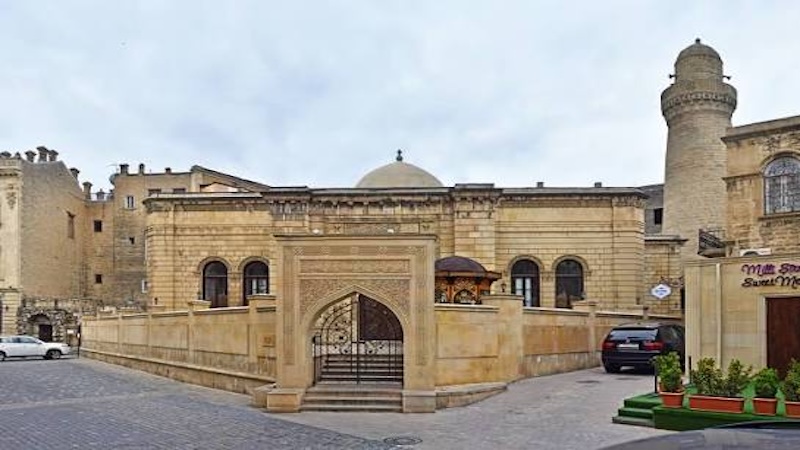
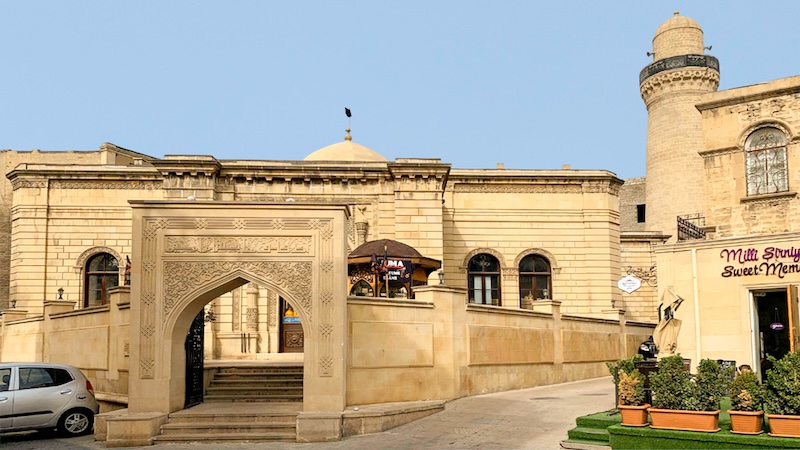
Continue Browsing TripsJuma Mosque, also known as the Friday Mosque, is one of the most significant historical and religious landmarks in Baku Old City (Icherisheher). Located within the ancient walls of the UNESCO-listed historic center, the mosque reflects centuries of Islamic traditions and the rich architectural heritage of Azerbaijan.
Surrounded by narrow cobblestone streets and traditional stone buildings, Juma Mosque is an important part of the Old City’s cultural and spiritual landscape.
History of Juma Mosque
The history of Juma Mosque dates back to the medieval period, with the earliest mosque on this site traditionally associated with the 12th century.
Over the centuries, the building underwent several reconstructions due to deterioration and changing architectural requirements.
During the reign of Shah Abbas I in the 17th century, a new mosque was constructed on the site of the earlier religious building.
By the late 19th century, the mosque had deteriorated and required extensive rebuilding.
In 1899, a new mosque building was constructed with financial support from Haji Sheikhali Dadashov, a prominent Baku philanthropist.
The reconstruction helped preserve the site’s religious significance and contributed to the architectural heritage of the Old City.
Architecture of Juma Mosque
Juma Mosque is a fine example of traditional Azerbaijani Islamic architecture.
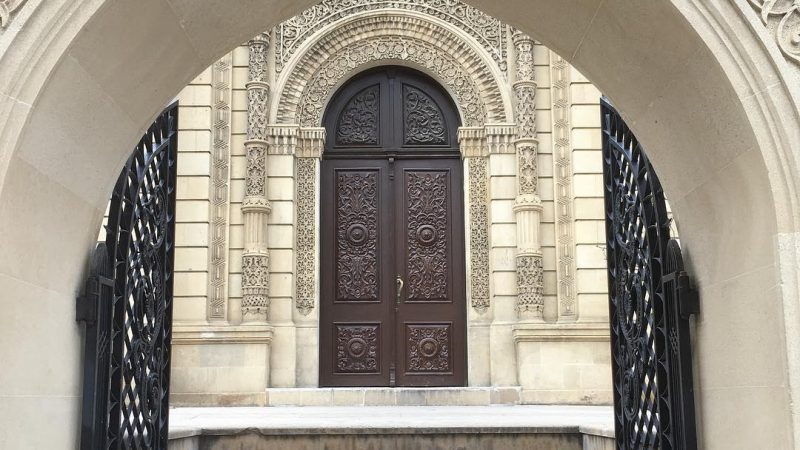
The building features elegant stonework, decorative architectural elements, and a distinctive minaret that rises above the surrounding historic streets.
Its design reflects the architectural traditions of the Absheron Peninsula, where local limestone has been widely used in religious and residential buildings for centuries.
The mosque’s interior provides a peaceful atmosphere, with architectural details that reflect its religious purpose and historical character.
The contrast between the mosque’s traditional appearance and the surrounding medieval buildings makes it an interesting landmark for visitors exploring Icherisheher.
Religious and Cultural Significance
The name Juma Mosque refers to the Friday congregational prayers, which hold special importance in Islamic religious life.
Throughout its history, the mosque has served as a place of worship and a gathering point for the local Muslim community.
Today, it remains an important religious landmark and a reminder of the role Islam has played in shaping Baku’s cultural identity.
The mosque also illustrates the continuity of religious traditions within the Old City, where historic monuments continue to form part of everyday life.
Visiting Juma Mosque
Juma Mosque is an interesting stop for travelers exploring the historic streets of Baku Old City.
Its central location makes it easy to include in a walking tour alongside other important landmarks, such as the Maiden Tower and the Palace of the Shirvanshahs.
Visitors can admire the mosque’s historic architecture and distinctive minaret while discovering the atmosphere of one of Baku’s oldest neighborhoods.
As Juma Mosque is an active place of worship, visitors should dress respectfully, remain quiet, and avoid disturbing religious services. Interior access may be restricted during prayer times.
Whether you are interested in history, architecture, or religious heritage, Juma Mosque offers another fascinating perspective on the cultural diversity and historical significance of Baku Old City.
Address: Baku, Old City (Icherisheher)
Opening Hours: Open 24 hours (exterior access)
Open: Daily
Entrance Fee: Free
Recommended Visit Duration: 10–20 minutes
Rate this page
Rating 4.7 / 5. Votes: 58
No ratings yet